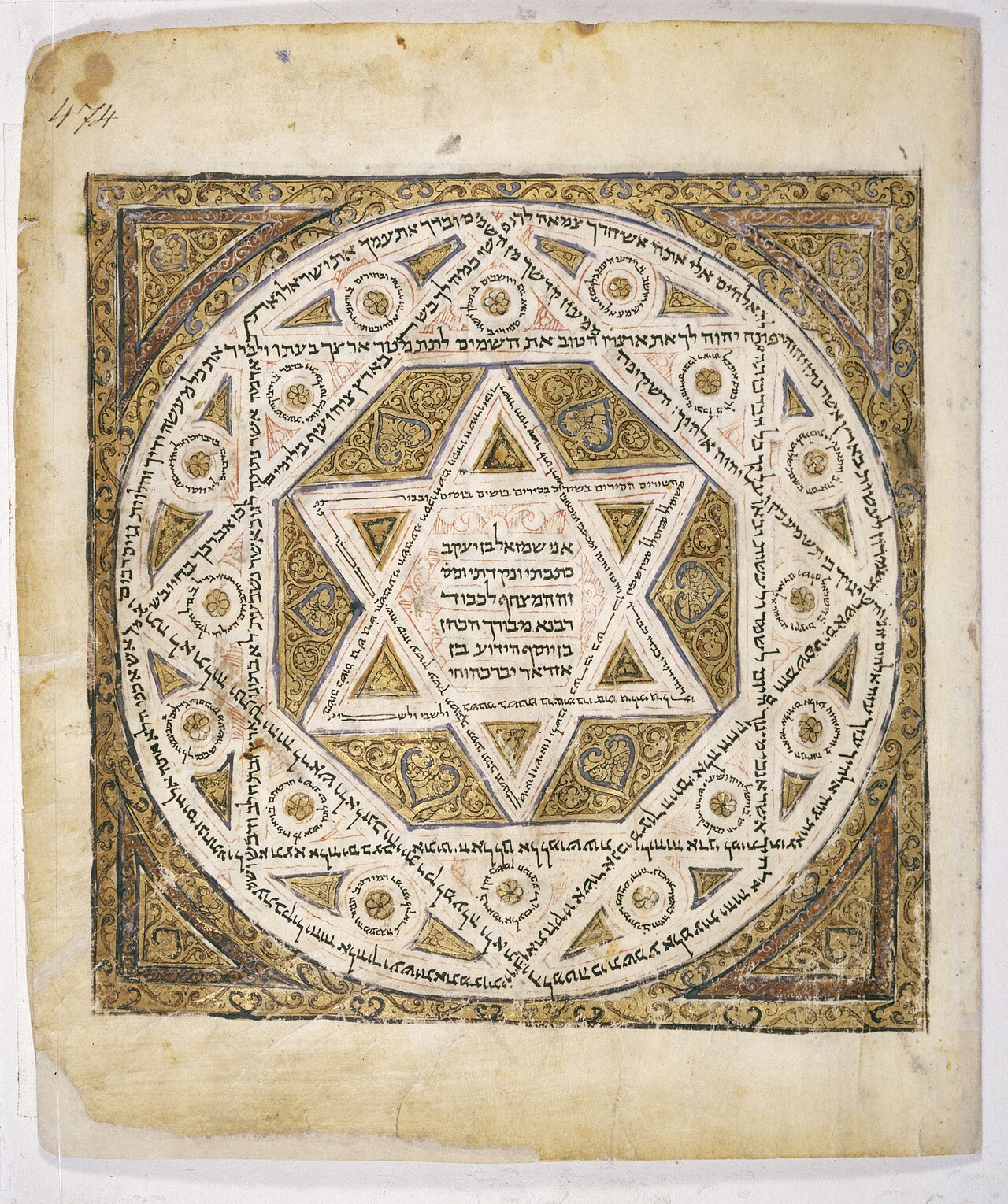
The angels — and the rule against asking them for anything.
Malachim are errands rather than persons: one task each, no free will, which is why Judaism never developed patrons. The eight-hundred-year fight over Machnisei Rachamim, a penitential poem asking angels to carry prayers in, is still live — printed in most Ashkenazi selichot and skipped by Jews who follow Maimonides.
Angels in Judaism are functionaries, not persons: the word malakh simply means messenger, and biblical angels have no free will, no worship, and often no names — the ones with names (Michael, Gabriel) acquire them late, under Persian influence, and the Talmud says so openly. They are emphatically not intermediaries to be prayed to; the tradition has repeatedly pushed back on popular practices that edge that way, because the whole architecture depends on the line between Creator and creature staying clean.
Sign in to open the first thread. Everything here is attributed.