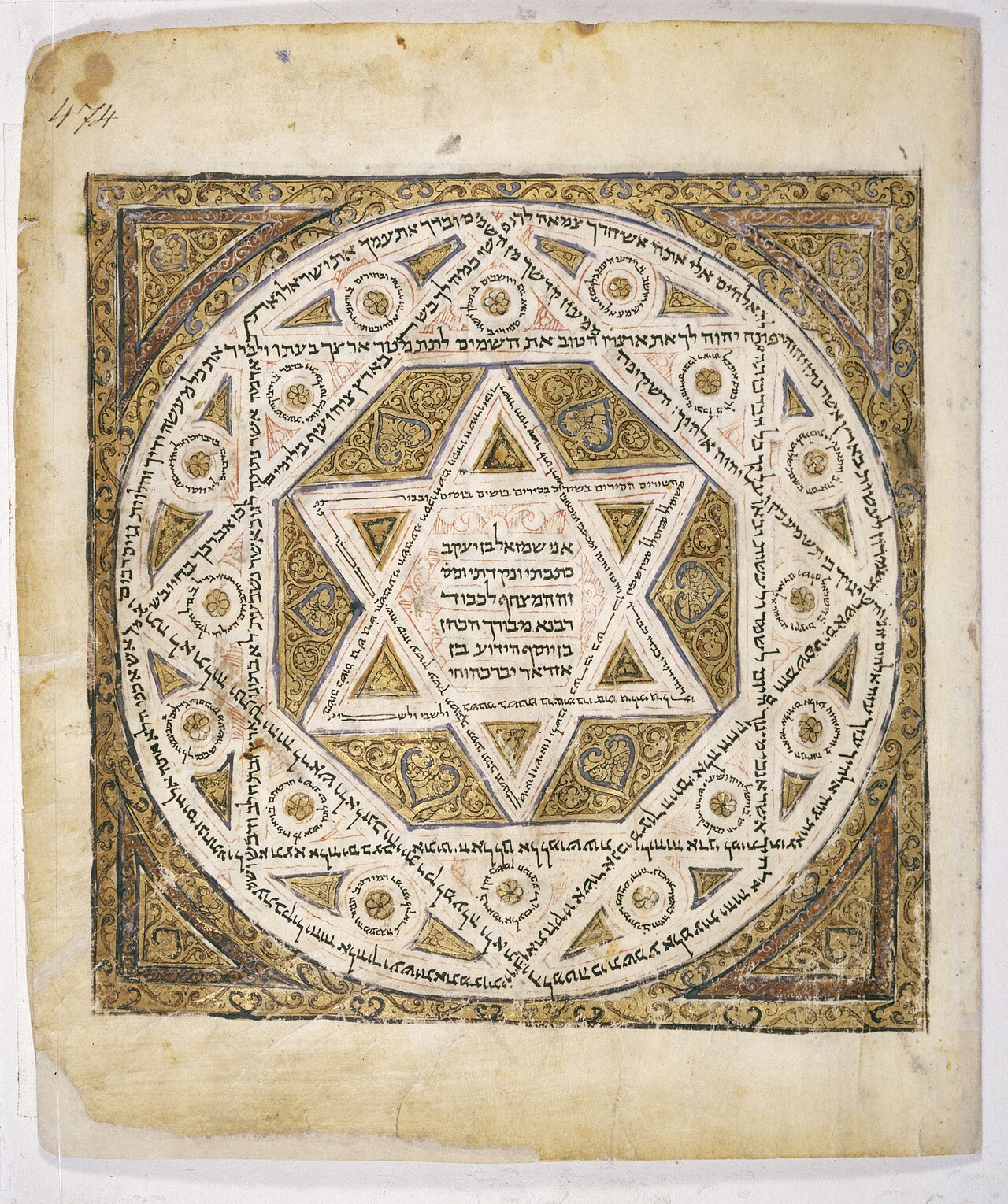
M
Figure of Judaism
Moses — our teacher.
Liberator at the sea, lawgiver at the mountain, and still the humblest of men: the prophet by whom all others are measured.
Names & titlesMoses — Moshe Rabbeinu, our teacher
DomainLiberator, lawgiver, the prophet no prophet equals
RelationsBrother of Aaron and Miriam; the humblest of men, the text insists
Depicted asSparingly — tablets in hand, face radiant; Judaism keeps images at arm's length
StandingThe measure of prophecy: face to face, as one speaks with a friend
Understanding it — context, not catechism: how this passage is held
Judaism honors Moses as the greatest of prophets and buries him in an unmarked grave — Deuteronomy is explicit that no one knows the place, and the tradition reads the anonymity as design: no shrine, no cult, no man worshipped. The teacher matters because of the Torah, not the reverse.
From the sources — the passages this rests on; concise renderings, cited
Never again arose a prophet in Israel like Moses, whom the LORD knew face to face.
Deuteronomy 34:10The Torah's own closing verdict on its central human figure.
The same ground, other faiths
claims that share this one's ideas
M
Musa — the most-named man in the Quran.
Islam
Meet them →
Follow the Prophet's pattern.
Sunni Islam · precept
Go deeper →
The dharma of one's station.
Hinduism · precept
Go deeper →
The Five Precepts.
Buddhism · precept
Go deeper →
Ahimsa at the table.
Jainism · precept
Go deeper →
The Ten Commandments.
Christianity · precept
Go deeper →
Sign in to open the first thread. Everything here is attributed.