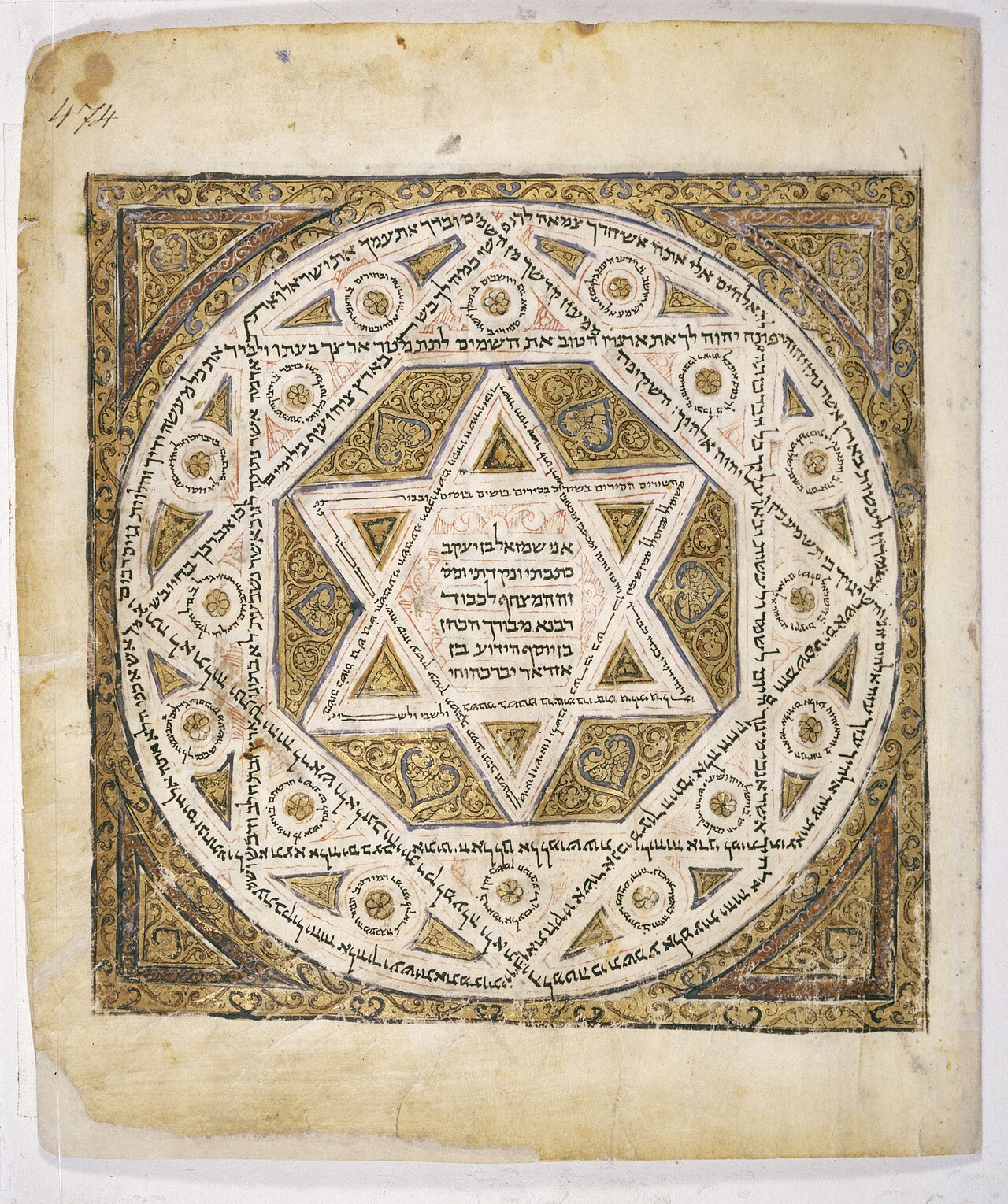
The Messiah — a person, with a job description.
The test is public and empirical: if he does not accomplish the work, he was not it, and Judaism has said exactly that about every candidate including Bar Kochba and Sabbatai Zevi. Ani Maamin was set to a melody thrown from a transport to Treblinka, and it is sung at weddings.
The Jewish messiah is a political job description with a religious frame, and the tradition is unusually specific about the deliverables: the exiles gathered, the Temple rebuilt, sovereignty restored, and the world at peace under the knowledge of God. Maimonides is blunt that he is a mortal king descended from David who will die and be succeeded by his son, that no laws will change, and that anyone expecting the natural order to be suspended has misread the prophets. Because the test is public, failure is decidable, and Judaism has decided it repeatedly — Bar Kochba, backed by Akiva, ended in the loss of Judea; Sabbatai Zevi ended in a turban. The result is a tradition that waits for the messiah and treats messianic enthusiasm as dangerous, which is not a contradiction so much as a scar. Maimonides' twelfth principle, set to music as Ani Maamin, was carried out of a transport to Treblinka according to a well-attested account, and Jews now sing it at weddings and at memorial ceremonies, which tells you how the two things sit together.
The same ground, other faiths
claims that share this one's ideasSign in to open the first thread. Everything here is attributed.