T
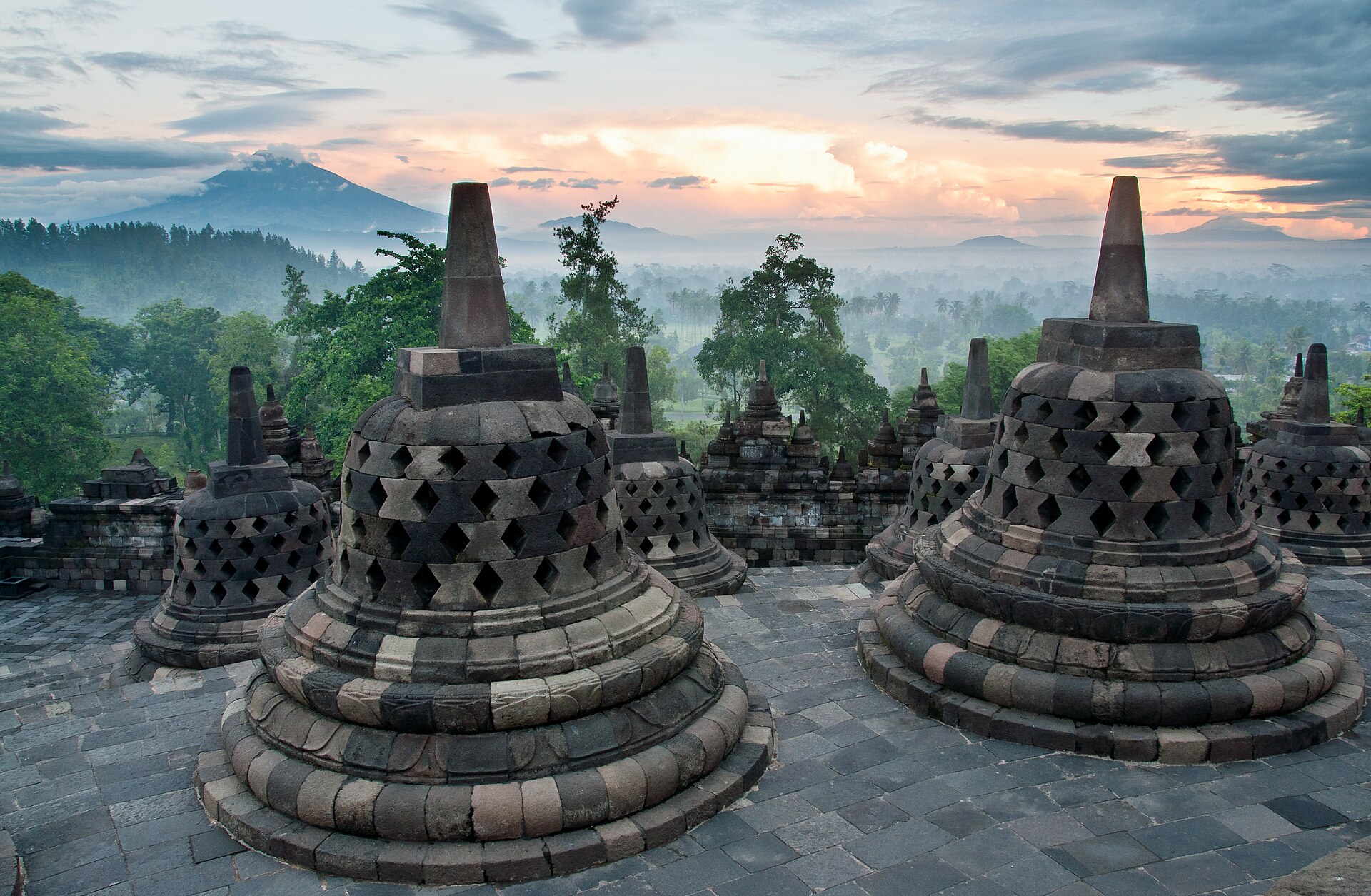
Figure of Buddhism
The Buddha.
Not a god and not a savior: a human who woke up, honored as teacher and proof. Offerings express gratitude, not petition.
Names & titlesSiddhartha Gautama, Shakyamuni, the Tathagata
DomainTeacher of the path
Depicted asSeated in meditation, hand touching the earth; long ears, the ushnisha crown
StandingVenerated, not petitioned — gone, as all things go
Understanding it — context, not catechism: how this passage is held
The tradition is precise about this: the Buddha is venerated, not petitioned. He is not present to answer prayers — he is gone, as the teaching says all things go. The offerings at his image are gratitude and recollection, the way a portrait of a founder hangs in a school.
From the sources — the passages this rests on; concise renderings, cited
You yourselves must strive. The Buddhas only point the way.
Dhammapada 276
The same ground, other faiths
claims that share this one's ideas
Every soul is already omniscient.
Jainism · core tenet
Go deeper →
Liberation happens while you are alive.
Sikhism · core tenet
Go deeper →
Knowledge liberates.
Advaita Vedānta · core tenet
Go deeper →
The arhat completes the path.
Theravāda · core tenet
Go deeper →
Buddhahood is reachable in one lifetime.
Vajrayāna · core tenet
Go deeper →
Awakening is sudden, not gradual.
Zen · core tenet
Go deeper →
Sign in to open the first thread. Everything here is attributed.