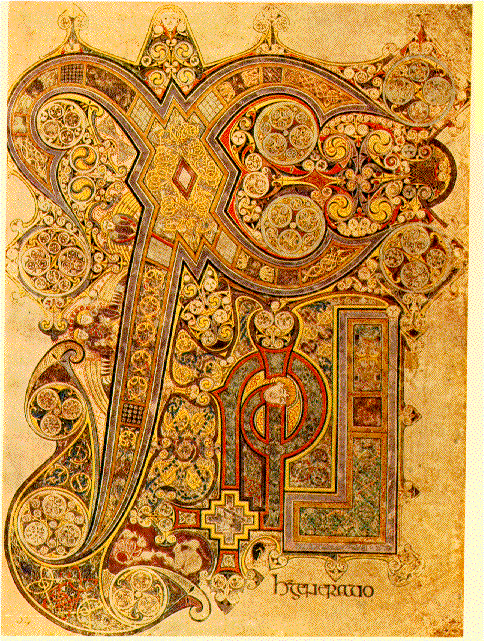
The Holy Spirit — the person without a face.
Fully God and structurally hard to picture, which is why the Spirit gets a bird. The creed of 381 had to add a clause insisting on the divinity, because the argument was still running. The last hundred years have belonged to the Spirit: Pentecostal and charismatic Christianity went from nothing to more than half a billion people.
The Spirit is the person of the Trinity that Christian art and Christian imagination handle worst, because a dove is not a face and everyone knows it. The divinity had to be argued for: the creed of 325 barely mentions the Spirit, and the clause worshipped and glorified together with the Father and the Son was added at Constantinople in 381 to close the gap. For most of Christian history the Spirit was doctrinally affirmed and practically quiet outside monastic and mystical writing. That changed with startling speed. Pentecostalism dates itself to Topeka in 1901 and Azusa Street in Los Angeles in 1906 — a revival led by William Seymour, a one-eyed black preacher, in a former livery stable — and its descendants now number over six hundred million, concentrated in Africa, Latin America and Asia. The Catholic Charismatic Renewal from 1967 brought the same practices inside Rome. Any account of Christianity that treats the Spirit as a theological footnote is describing 1900, not now.
The same ground, other faiths
claims that share this one's ideasSign in to open the first thread. Everything here is attributed.