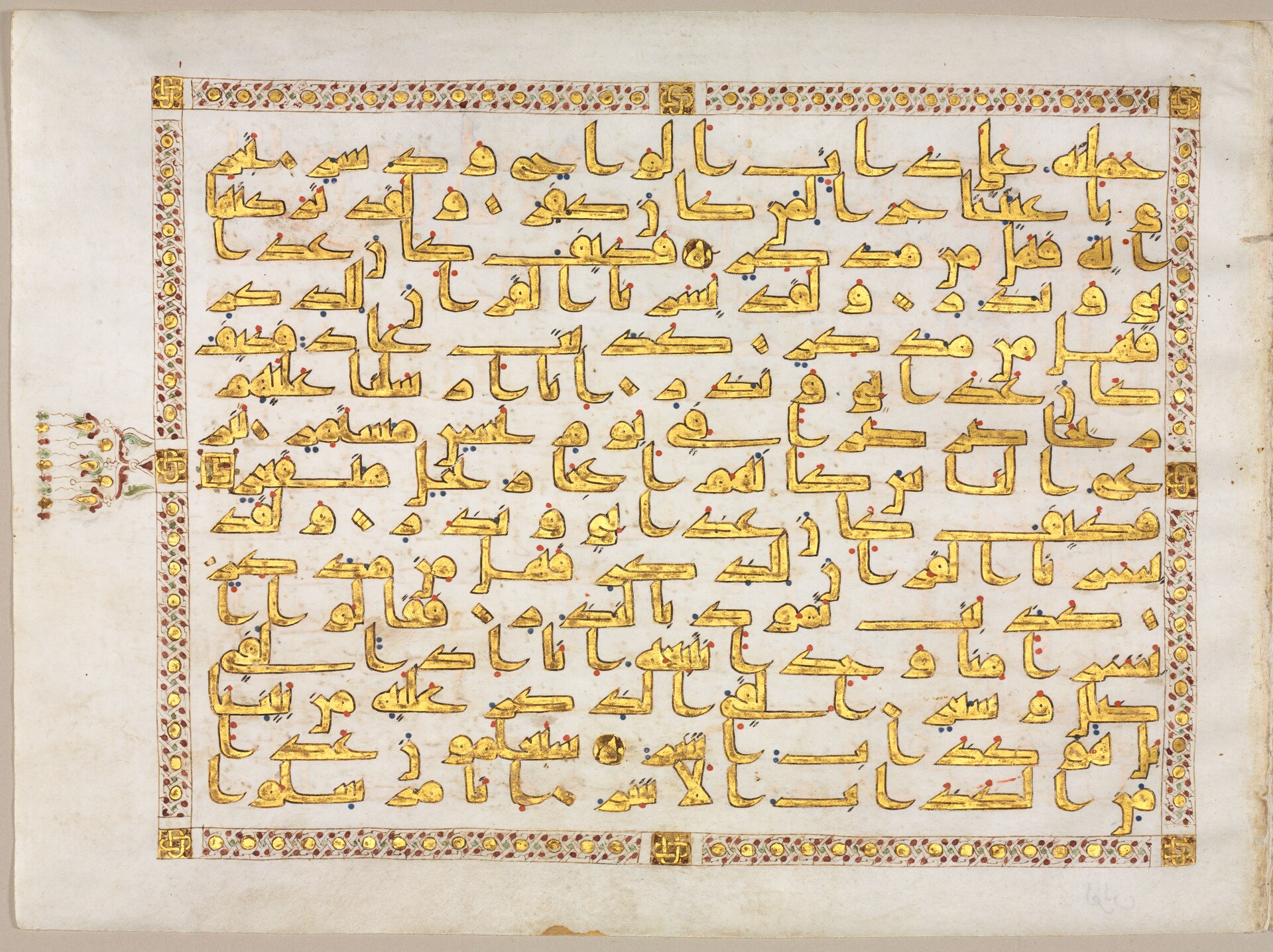
Musa — the most-named man in the Quran.
Moses appears more often than Muhammad, and the parallel is the point: a persecuted messenger, a hostile empire, a migration, a law. On the night journey it is Musa who keeps sending the Prophet back up to argue the prayer count down from fifty.
The Quran mentions Musa by name around a hundred and thirty-six times, more than any other individual, and the reason is structural rather than sentimental: his career is the template the Meccan suras use to tell the Prophet what is coming. Confront the tyrant, be called a magician, watch your people waver, leave. The Israelites in the Quran function as a mirror for the Muslim community — a people given everything and repeatedly failing to keep it — which is a genuinely self-critical use of another nation's scripture. Muslims also inherit Musa through law: the Quran affirms the Torah as revelation while holding that its text was altered, a doctrine called tahrif that Jewish and Muslim scholars have argued about for a millennium. On the night journey he is the one who understands bureaucracy, sending Muhammad back to negotiate the prayer count down from fifty to five.
The same ground, other faiths
claims that share this one's ideasSign in to open the first thread. Everything here is attributed.