The awliya — the friends of God.
Nobody canonizes them; they are recognized. A wali is someone God has drawn near, and their tombs — Jilani in Baghdad, Chishti in Ajmer, Tijani in Fez, Bamba in Touba — became the busiest religious buildings in the Muslim world. Salafi reformers hold every one of those visits to be idolatry, and have bulldozed a good number of them.
Wilaya — sainthood, friendship with God — is the second axis of Islamic religious authority, running alongside the scholarly one and often in tension with it. A wali is not appointed and not certified; the recognition is popular, and the evidence offered is usually a life, sometimes a miracle, and always a tomb. This is how Islam actually spread across West Africa, South Asia and the Indonesian archipelago: not by armies but by Sufi teachers whose shrines became the centres of new Muslim regions. Rabia al-Adawiyya, an eighth-century woman of Basra, is among the most quoted of them and reoriented the whole vocabulary toward love rather than fear. The counter-argument is old and serious: Ibn Taymiyya, and after him Muhammad ibn Abd al-Wahhab, held that seeking blessing from a grave transfers to a creature what belongs to God alone. That argument, backed by state power, has produced the demolition of tombs from Medina to Timbuktu, most recently by armed groups who destroyed the mausoleums of Timbuktu in 2012 — an act the International Criminal Court prosecuted as a war crime.
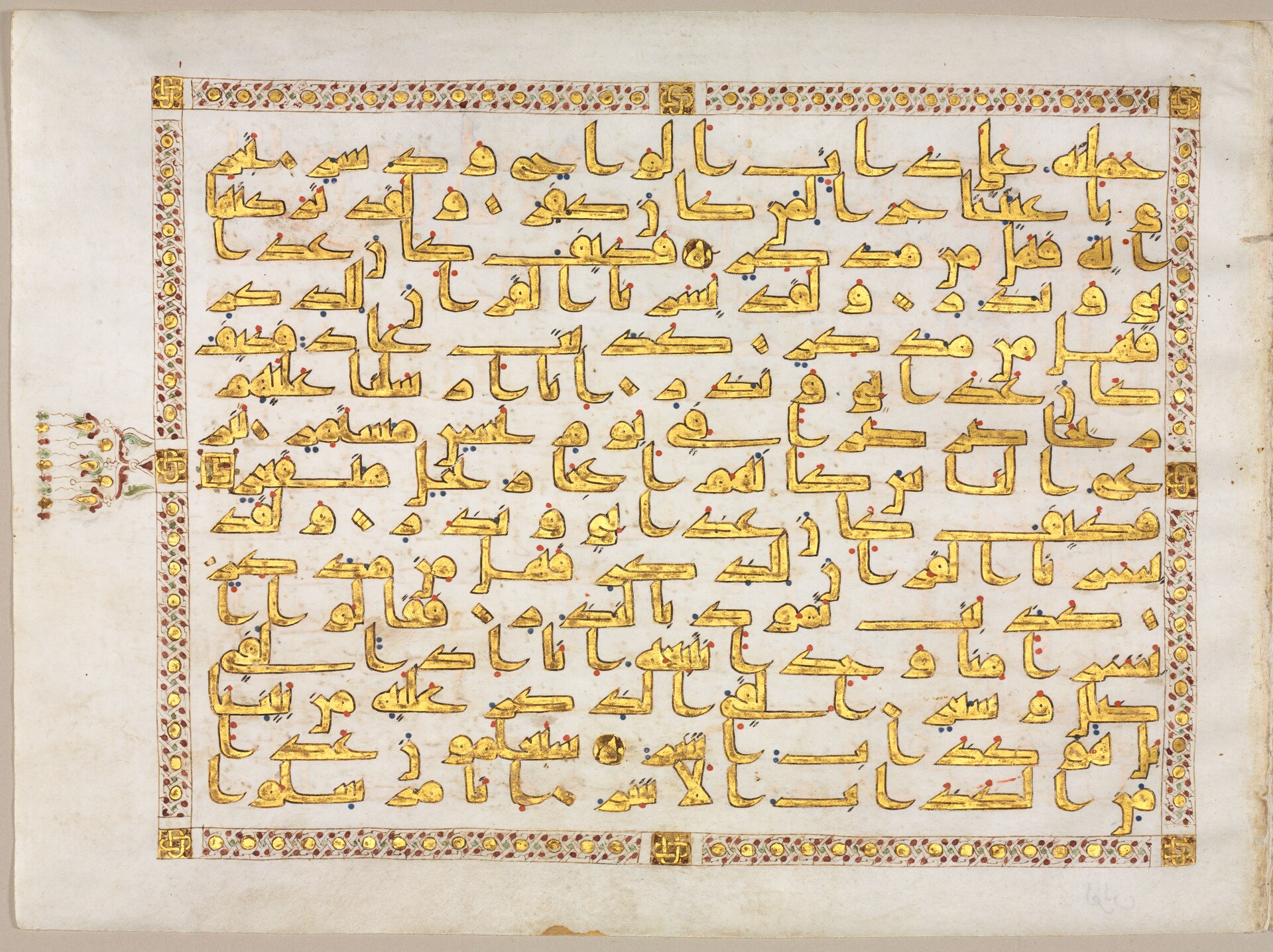
Truly the friends of God — no fear shall be upon them, nor shall they grieve.
Quran 10:62 (rendered)The verse that gives the awliya their name, and the one their defenders cite.
The same ground, other faiths
claims that share this one's ideasSign in to open the first thread. Everything here is attributed.