The saints who sang past the priest.
Between the twelfth and seventeenth centuries the bhakti poets wrote in Kannada, Marathi, Hindi, Braj, Gujarati and Assamese, and most of them said plainly that a temple, a language and a birth were not required. Basava's vachanas and Kabir's couplets are still quoted in Indian political arguments about caste.
The northern and Deccan bhakti movement runs roughly from Basava in twelfth-century Karnataka to Tukaram in seventeenth-century Maharashtra, and its common features are vernacular language, hostility to ritual specialists, and a membership drawn from artisan and labouring castes. Basava, a chief minister, founded a community that rejected caste, the Vedas, temples and the thread, arranged a marriage between an ex-untouchable's son and a brahmin's daughter, and saw the movement scattered violently as a result; Lingayats have since asked to be recognised as a separate religion, and the demand is live in Karnataka politics. Kabir, raised by Muslim weavers, attacked Hindu and Muslim orthodoxy with equal contempt and is claimed by both plus the Sikhs, whose scripture includes his verses. Mirabai, a Rajput princess, left her marital household to sing to Krishna and is celebrated by everyone and imitated by nobody in her own class. Ravidas, a leatherworker, is now the focus of a distinct Ravidassia movement among Punjabi Dalits. The pattern repeats: a saint attacks the hierarchy, the hierarchy makes the saint a saint.
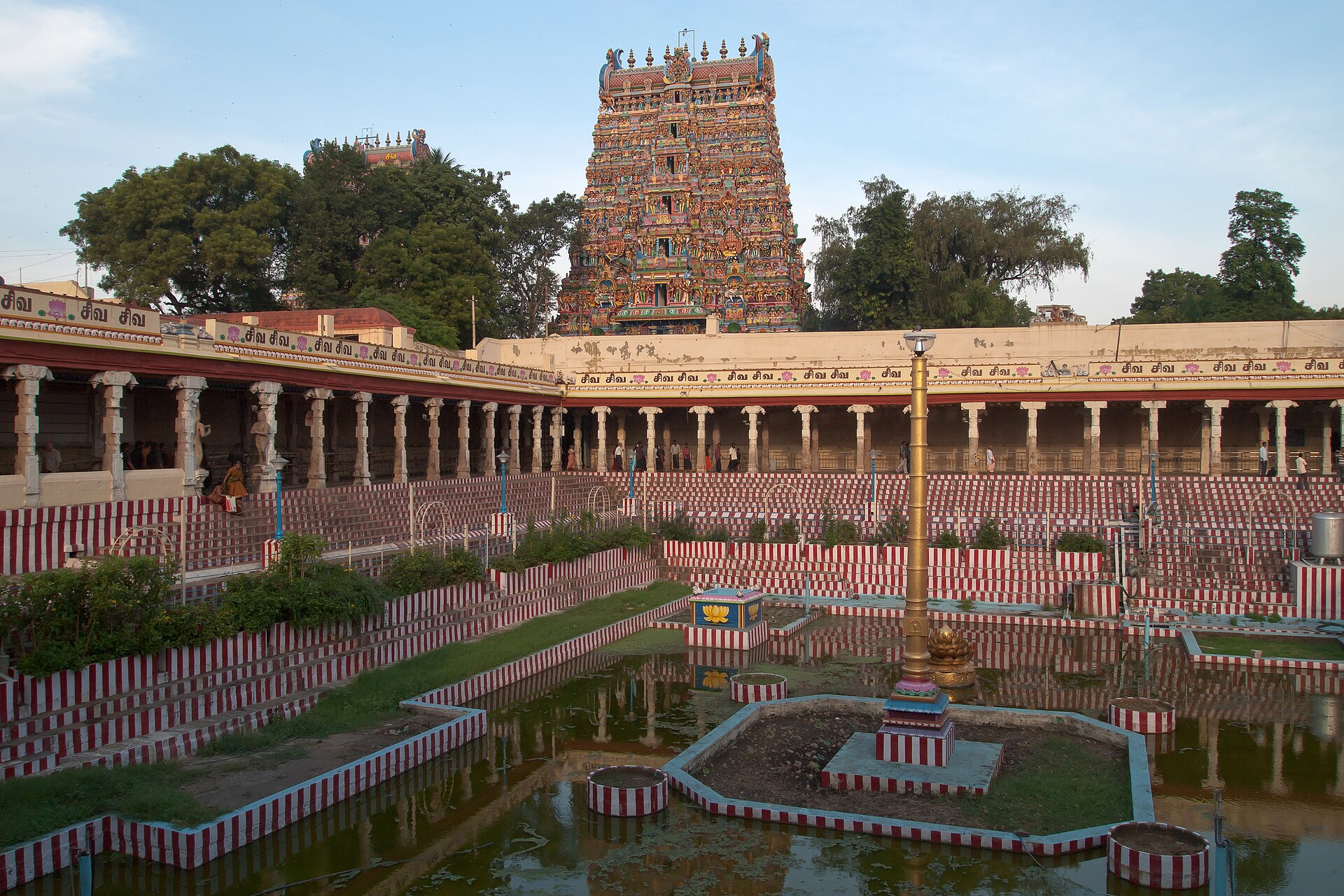
The rich build temples for Shiva. What can I build, being poor? My legs are the pillars, this body the shrine, my head the cupola of gold. What stands will fall. What moves does not.
Basavanna, vachana (rendered)Twelfth-century Kannada, and still quoted in Indian arguments about temples and money.
The same ground, other faiths
claims that share this one's ideasSign in to open the first thread. Everything here is attributed.